Entré
100 kr. + gebyr
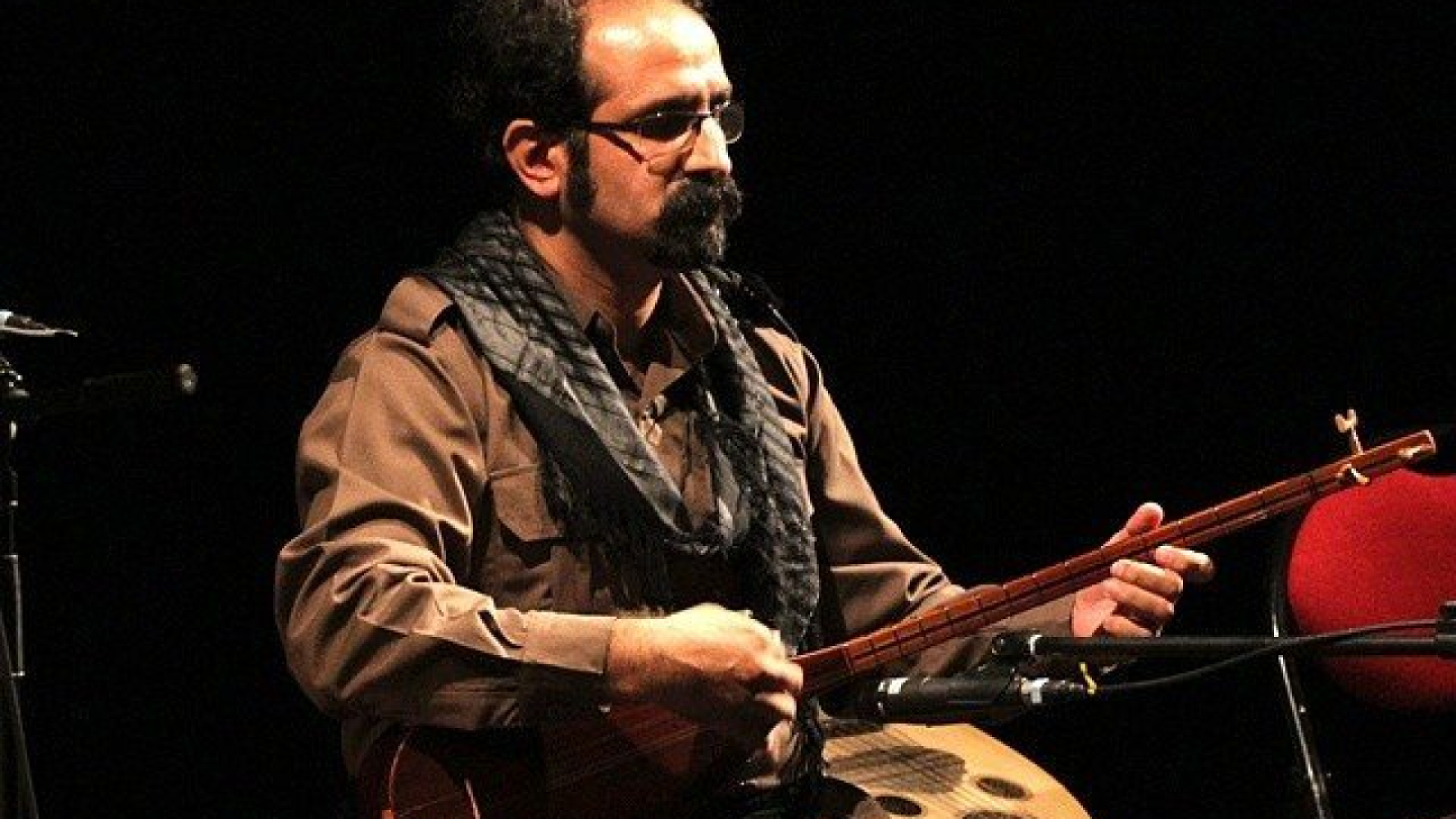
Kourosh Ghazvineh: kurdisk tanbur fra Iran
English presentation below
Kourosh Ghazvineh er født i Sahneh, Kermanshah (Iran), en region, der ses som et af de historiske hjemlande for tanburen, der en hellig og gammel kurdisk langhalslut. Han begyndte i en tidlig alder at fordybe sig i den kurdiske tanbur makam-tradition og den dertil knyttede rige musikalske arv, som han studerede den med fokus på repertoiret fra berømte mestre som Seyid Khalil Alinejad, Seyid Amrollah Shah Ebrahimi og Ali Akbar Moradi. Gennem mange års dedikerede studier udviklede han en dyb forståelse af de modale strukturer knyttet til maqam/makam begrebet og de indviklede performanceteknikker knyttet til instrumentet. Inspireret af denne tradition udvidede han senere sit musikalske sprog ved at studere santur og oud og inkorporere andre improvisationselementer med rødder i kurdiske musikalske traditioner. Ved at blande disse påvirkninger med guitarens udtryksmuligheder har han komponeret adskillige originale værker, der bygger bro mellem traditionelle og moderne lydverdener. Ghazvinehs internationale karriere begyndte i 2014, da han sluttede sig til ensemblet Agu Nur, hvor han ofte optrådte i det meste af Frankrig. Siden da har han samarbejdet med adskillige musikgrupper og optrådt på en række fremtrædende europæiske musikfestivaler, herunder: Houdetsi Music Festival (Kreta) i 2015, Genève i 2017, Tyskland i 2018, Frankrig i 2022, og Schweiz i 2023. Fra 2015 var han også involveret i Ross Dalys kendte Labyrinth Musical Workshop, hvor han underviste og optrådte i tre på hinanden følgende år i Houdetsi (Kreta) og Rhodos (Grækenland). Gennem sine musikalske rejser har han undervist adskillige studerende internationalt og har bidraget til bevarelsen af tanburtraditionen ved at skrive en bog om tanburmetode, en bog der er udgivet i Kurdistan.
Tanbur er et af de mest ikoniske instrumenter i den kurdiske musikkultur med en historie, der går mere end 2.500 år tilbage (omkring 500 f.Kr.). Den tilhører familien af langhalslutter - traditionelt med to strenge, men i de sidste seks århundreder med tre strenge. Instrumentet er karakteriseret ved en meget karakteristisk højrehåndsteknik og specialiserede rytmiske anslag som "Shor", der bidrager til tanburens udtryksfulde og perkussive lyd. Repertoiret forbundet med tanbur - især inden for den Yarsan (Ahl-e Haqq) spirituelle tradition - er blevet overleveret mundtligt fra mester til elev gennem generationer. I denne sammenhæng betragtes tanbur som et helligt instrument, og det spiller en central rolle i rituelle og ceremonielle sammenkomster. Historisk set har tanbur også påvirket udviklingen af adskillige moderne strengeinstrumenter på tværs af forskellige kulturer, herunder den græske bouzouki, guitaren, den rumænske tamburitza og den indiske sitar og tambura.
English text
Kourosh Ghazvineh was born in Sahneh, Kermanshah (Iran), a region widely regarded as one of the historic homelands of the tanbur, a sacred and ancient Kurdish long-necked lute. Immersed in this rich musical heritage from an early age, he began studying the Kurdish tanbur makam tradition, focusing on the repertoire of renowned masters such as Seyid Khalil Alinejad, Seyid Amrollah Shah Ebrahimi, and Ali Akbar Moradi.
Through years of dedicated study, Ghazvineh developed a deep understanding of the modal structures (maqam/makam) and the intricate performance techniques of the tanbur. Inspired by this tradition, he later expanded his musical language by studying santur and oud, incorporating improvisational elements rooted in Kurdish musical heritage. Blending these influences with the expressive possibilities of the guitar, he has composed numerous original works that bridge traditional and contemporary sound worlds.
Ghazvineh’s international career began in 2014 when he joined the ensemble Agu Nur, performing extensively across France. Since then, he has collaborated with several musical groups and appeared in a number of prominent European music festivals, including:
• Houdetsi Music Festival (Crete) – 2015
• Geneva – 2017
• Germany – 2018
• France – 2022
• Switzerland – 2023
From 2015, he was also involved with the renowned Labyrinth Musical Workshop, where he taught and performed for three consecutive years in Houdetsi (Crete) and Rhodes (Greece). Throughout his musical journey, Ghazvineh has taught numerous students internationally and has contributed to the preservation of the Tanbur tradition by authoring a tanbur method book, published in Kurdistan.
The Instrument: tanbur
The tanbur is one of the most iconic instruments of Kurdish musical culture, with a history that dates back more than 2,500 years (around 500 BCE). It belongs to the family of long-necked plucked lutes and traditionally featured two strings, although for the past six centuries it has commonly been constructed and performed with three strings.
The instrument is characterized by a highly distinctive plucking technique and specialized rhythmic strokes such as “Shor”, which contribute to its expressive and percussive sound. The repertoire associated with the tanbur—particularly within the Yarsan (Ahl-e Haqq) spiritual tradition—has been transmitted orally from master to disciple across generations. Within this context, the tanbur is considered a sacred instrument and plays a central role in ritual and ceremonial gatherings.
Historically, the tanbur has also influenced the development of numerous modern string instruments across different cultures, including the Greek bouzouki, the guitar, the Romanian tamburitza, and the Indian sitar and tambura.
A recording: https://www.youtube.com/watch?v=vhYntVbOefs
Arrangeret af Papaya & Huset
Med støtte fra Kunstrådet & Aalborg Kommune